NEW: Five Star Home Health Care Selects AutoMynd's AI-Native EMR as Design Partner Read more →


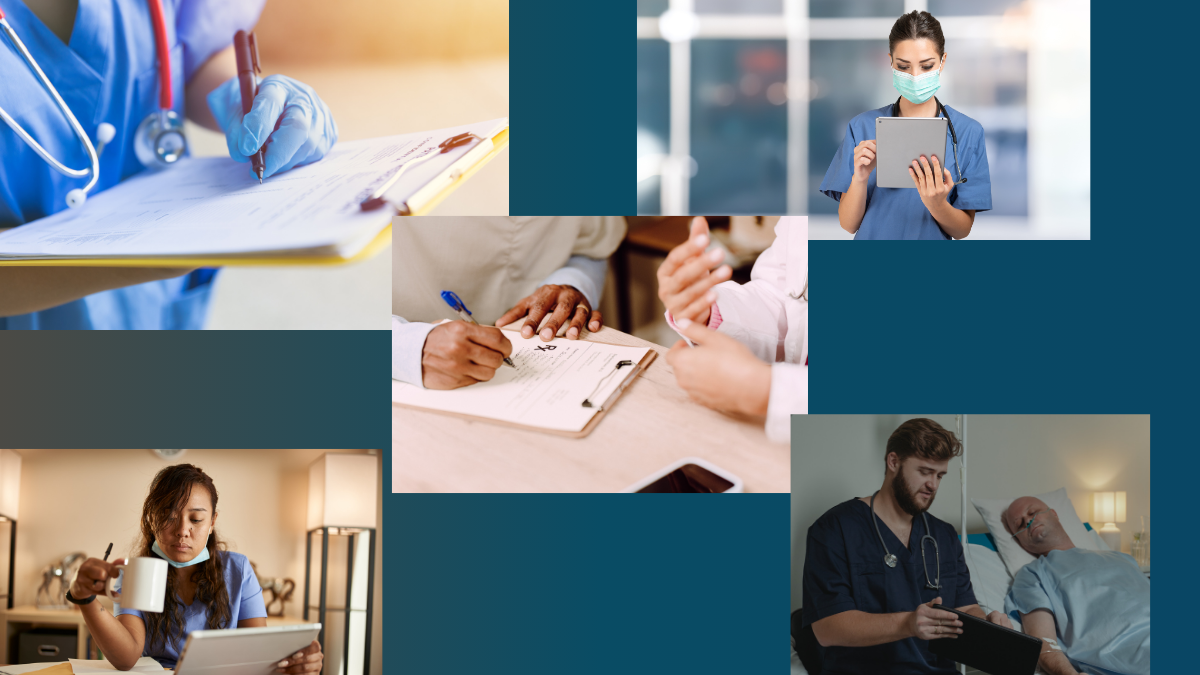
When most people think about documentation challenges in our home based care community, their minds go straight to OASIS Visits in home health. But anyone who has worked in hospice, private duty nursing, or personal care knows the struggle is universal.
Across every discipline delivering care at home, clinicians are spending hours each week entering notes, reconciling medications, filling assessments, and making sure compliance boxes are checked. This is time that could be spent on patient interaction, family education, or care planning.

Hospice:
From comprehensive initial assessments to frequent interdisciplinary team (IDT) updates, hospice clinicians must document complex physical, emotional, and spiritual needs — often in the most sensitive moments of a patient’s life. Delays or errors can affect care continuity, compliance with Conditions of Participation (CoPs), and reimbursement.
Private Duty Nursing (PDN):
High-acuity patients require detailed shift notes, supply tracking, and ongoing plan-of-care updates. For nurses working multiple shifts across different homes, documentation is constant — and often handwritten before being entered into an EMR.
Personal Care:
While the documentation may be less clinical, it’s no less important. Tracking activities of daily living (ADLs), caregiver observations, and incident reports ensures quality and informs service adjustments. Inaccuracies can impact client satisfaction and funding.
AutoMynd was built with one goal: to support every type of operation that delivers care at home, not just traditional home health agencies.
With AI-driven capabilities, AutoMynd:
Whether you’re providing skilled nursing in the final stages of life, daily personal care support, or 24/7 private duty nursing, the documentation burden is a shared problem. AutoMynd addresses it at the root — making documentation faster, more accurate, and less intrusive, so care teams can focus on what really matters: the patient.
AI clinical documentation uses ambient listening and natural language processing to write structured notes from real patient conversations. For home-based care teams in America, Automynd converts each visit into accurate, coded documentation, which improves reimbursement accuracy and frees clinicians from late-night charting at the kitchen table.
Good AI clinical documentation software should scale from small agencies to multi-branch organizations. Agencies of every size in the US choose Automynd because it adapts to existing workflows, integrates with current EMRs, and delivers consistent note quality whether a team has five clinicians or five hundred.
Automated clinical documentation often outperforms manual charting because it records details as they happen instead of from memory. Home care providers in the US using Automynd see fewer missing fields, stronger clinical narratives, and better OASIS consistency, which lowers denial risk and shortens review cycles.
Clinical documentation automation typically delivers faster note completion, cleaner coding, and less clinician overtime. US agencies that implement Automynd usually see shorter billing cycles and higher staff retention within months, since automated drafts replace hours of repetitive typing with quick review and sign-off.
One AI-native EMR for intake, documentation, QA, coding and billing, built for home health agencies.
Book a demo