NEW: AutoMynd Unveils Patient-Centered AI EMR, Automating Episodes From Referral to Reimbursement Read more →
.svg)
.svg)

A home health nurse sits in her car at 7:30 PM, staring at a dashboard. She just spent nine hours traveling between patient homes, dressing wounds, and managing medications. Now comes the real tax: four more hours of charting, clicking through endless drop-down menus, and cross-referencing forms. This paperwork fatigue is driving a massive staffing crisis across the care industry. Many agencies think the solution is simple. Just buy a software patch or look for a traditional platform that recently added a shiny new artificial intelligence feature.
But there is a massive catch. Slapping an AI feature onto an outdated system does not solve the root problem. To truly rescue clinicians from documentation burnout, agencies need an AI EMR for home health that was built around intelligence from day one. You will learn the stark difference between an AI-native system and an "AI-added" afterthought, and why this distinction dictates your agency's survival.
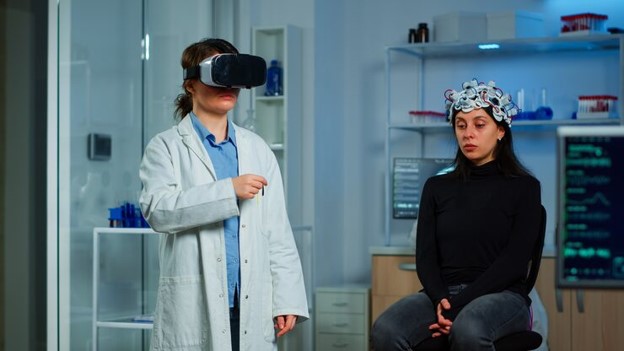
Most legacy Electronic Medical Record systems were built decades ago. They were designed to be digital filing cabinets, built for billing and compliance rather than clinical speed. When the recent wave of machine learning hit the tech market, these legacy companies rushed to keep up. They bolted on basic transcription tools or simple text-generators to their existing, clunky interfaces.
This creates an illusion of efficiency. A nurse might use an added tool to record a patient conversation but she still has to copy that text, log into a separate portal and manually paste it into twenty different boxes. It feels like buying a high-tech electric motor and trying to strap it onto a horse-drawn carriage. The two systems speak entirely different languages. The workflow remains broken, clicking fatigue persists and the risk of compliance errors stays high.
An AI-native architecture is built entirely differently. The core database, user interface, and workflow engines are designed with the assumption that artificial intelligence is handling the heavy lifting of data entry. It does not wait for a human to push data around. Instead, it acts as a quiet, smart partner working in the background.
• Continuous Ambient Listening: Instead of forcing clinicians to type summaries after a visit, the software securely listens to the natural conversation with the patient. It automatically extracts medical facts and structures them into complex clinical notes without requiring manual data transfers.
• Intelligent Drive Mode Audio: Field staff spend nearly a third of their day on the road. Native systems utilize smart voice technology to brief clinicians on patient histories safely while they drive, transforming dead travel time into active preparation.
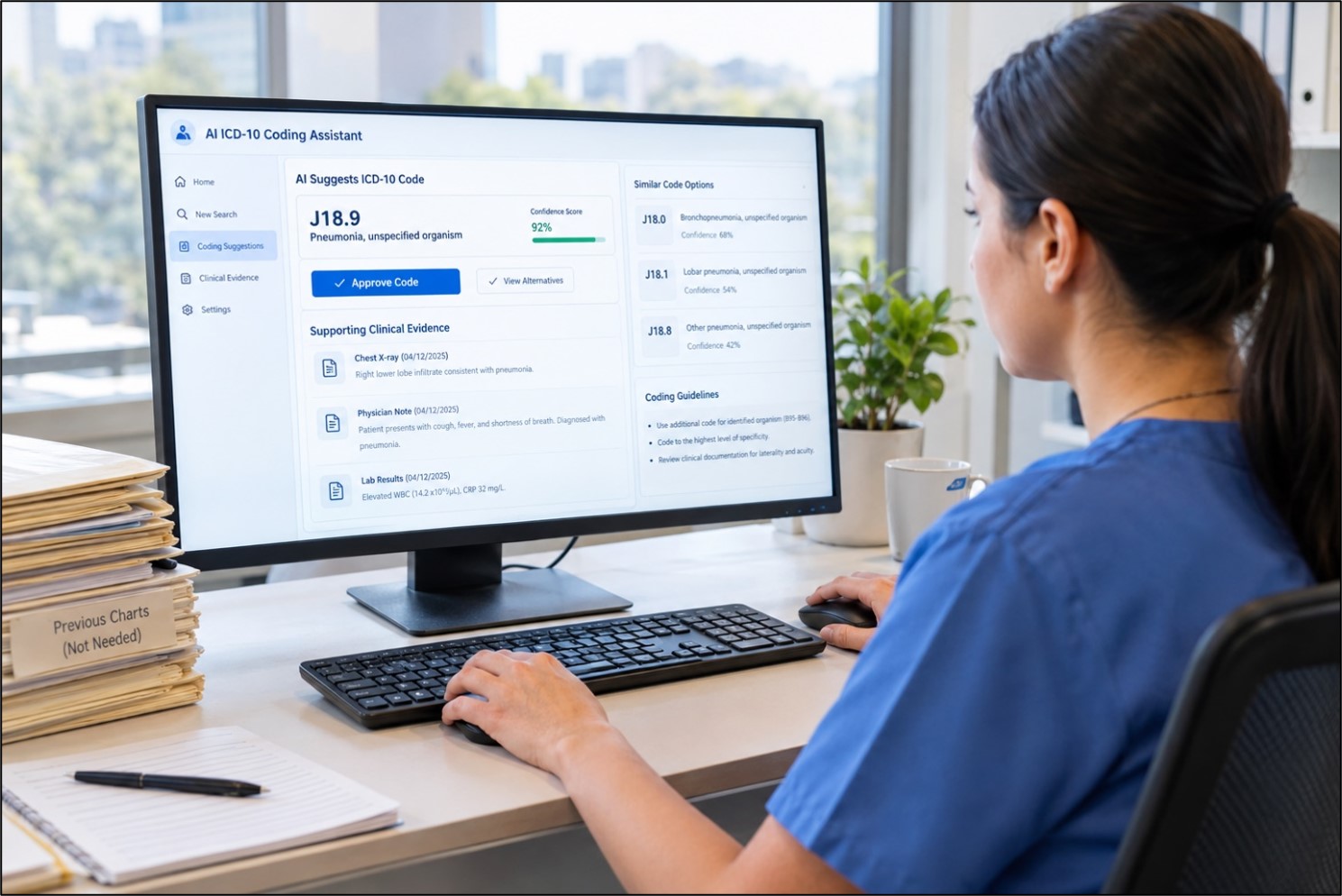
• Holistic Cross-Chart Auditing: Traditional software checks for errors line-by-line. A native system looks at the entire patient record across multiple visits to instantly flag contradictions or missing compliance details before anything is submitted.
• Offline Functionality: Care happens everywhere, including rural areas with terrible cell service. Native applications process data locally on tablets, ensuring ambient features work perfectly even without an internet connection.

When artificial intelligence is deeply woven into the platform, the operational benefits skyrocket. It stops being a minor convenience and becomes a major economic lever.
Consider the intake process. Traditional agencies lose days trying to sort through messy, faxed referral documents. A native platform uses specialized parsing technology to instantly read incoming medical records, extract the relevant data, and create a patient profile in seconds. This allows agencies to accept referrals much faster than competitors relying on old-world software.
Furthermore, clinician retention hinges entirely on the daily documentation burden. Nurses do not quit because they dislike patient care. They quit because they hate spending their nights charting on rigid, outdated screens. Moving to a native system eliminates hours of manual data entry each day restoring work-life balance and protecting your staff from burnout.
Agencies looking to upgrade should ask tough questions during vendor demonstrations. Do not just look at a cool demo of a single feature. Ask how the data flows. If a nurse uses a speech tool, does she still have to manually navigate through ten separate screens to save that information? If the answer is yes, you are looking at an AI-added patch.
A complete system should feel invisible. It should adapt to the messy, unpredictable reality of in-home care, allowing clinicians to focus entirely on the human being sitting in front of them.
The future of home-based care cannot be sustained on the backs of exhausted, overworked clinicians. The old way of clicking through endless digital forms is broken, and simple software patches will not fix it. Agencies that want to scale, protect their staff, and secure their revenue need a platform built for this new era. AutoMynd offers a fully AI-native platform designed specifically to eliminate the home health documentation crisis, giving clinicians their lives back while ensuring total agency compliance.
The primary benefits include a dramatic reduction in clinical documentation time, lower staff turnover, faster patient intake, and improved billing accuracy. By automating manual data entry, clinicians can focus on patient care rather than paperwork.
An intelligently integrated system continuously audits the entire patient chart in real-time. It cross-references notes across multiple visits to ensure all required documentation matches strict regulatory guidelines, flagging errors before claims are submitted to prevent rejections.
Yes, high-quality platforms feature specialized offline modes. The application can securely capture and process audio transcripts or patient notes directly on a mobile device or tablet, synchronizing the data seamlessly once a stable connection is re-established.
Security is built into the foundation of native platforms. The systems employ advanced encryption protocols and strictly adhere to federal medical privacy regulations, ensuring that all voice recordings and patient interactions are processed securely and privately.
.svg)


.png)