NEW: AutoMynd Unveils Patient-Centered AI EMR, Automating Episodes From Referral to Reimbursement Read more →
.svg)
.svg)

An administrative desk at a home care agency on a Friday afternoon usually looks like a disaster zone. The fax machine is practically screaming as a seventy-page hospital discharge packet rolls through, blurry, full of handwritten scribbles, and missing half of the patient's medication list. A coordinator has to manually type all of this messy data into an old software system, a process that easily eats up two to three hours per patient. This heavy administrative friction explains why a shocking number of referrals get delayed or completely dropped across the industry. Transitioning to modern home health intake automation can strip away the chaos, shrinking a multi-hour data-entry nightmare into a quick, ten-minute review process.
The secret lies in moving away from old platforms that simply added a basic text scanner as a cheap marketing upgrade. True efficiency happens when a system is built with intelligence baked directly into its foundation. This blog covers exactly how an automated architecture transforms the messy start of care, drops administrative workloads by ninety percent, and helps agencies accept patients before their competitors do.

Traditional referral management is a massive bottleneck. When a hospital sends over a new patient the clock starts ticking immediately. The agency that responds the fastest almost always wins the referral. However, human coordinators are still doing digital work, sifting through a lot of medical information, copying insurance numbers and cross-checking doctor orders. Once something is smudged on the paper or the doctor writes it like he is writing in chicken scratch, everything stops. The coordinator needs to call, find and wait for a response from the hospital case manager. This slow process delays vital patient care and costs agencies thousands of dollars in lost business every single month. It is a reactive, stressful way to run a healthcare business.
An intelligent, native system does not wait for a human to start typing. The moment a digital document or fax arrives, the platform goes to work behind the scenes. It uses specialized medical parsing technology to read the entire document at once, understanding the context of the words instead of just looking at individual letters.
The system automatically extracts the crucial details and maps them to the correct fields within the electronic chart:
• Demographics and Insurance: Patient names, addresses, emergency contacts, and insurance policy numbers are captured and verified instantly.
• Medication Reconciliation: Messy, chaotic hospital discharge lists are automatically organized, flagging duplicate prescriptions or dangerous drug interactions before a nurse even steps foot in the home.
• Clinical History: Past medical diagnoses, recent surgical notes, and specific physician orders are neatly grouped so the clinical director can review them at a single glance.
• Prioritization Trapping: High-acuity patients who need immediate visits are automatically flagged and pushed to the top of the pile, preventing critical cases from getting buried under routine paperwork.

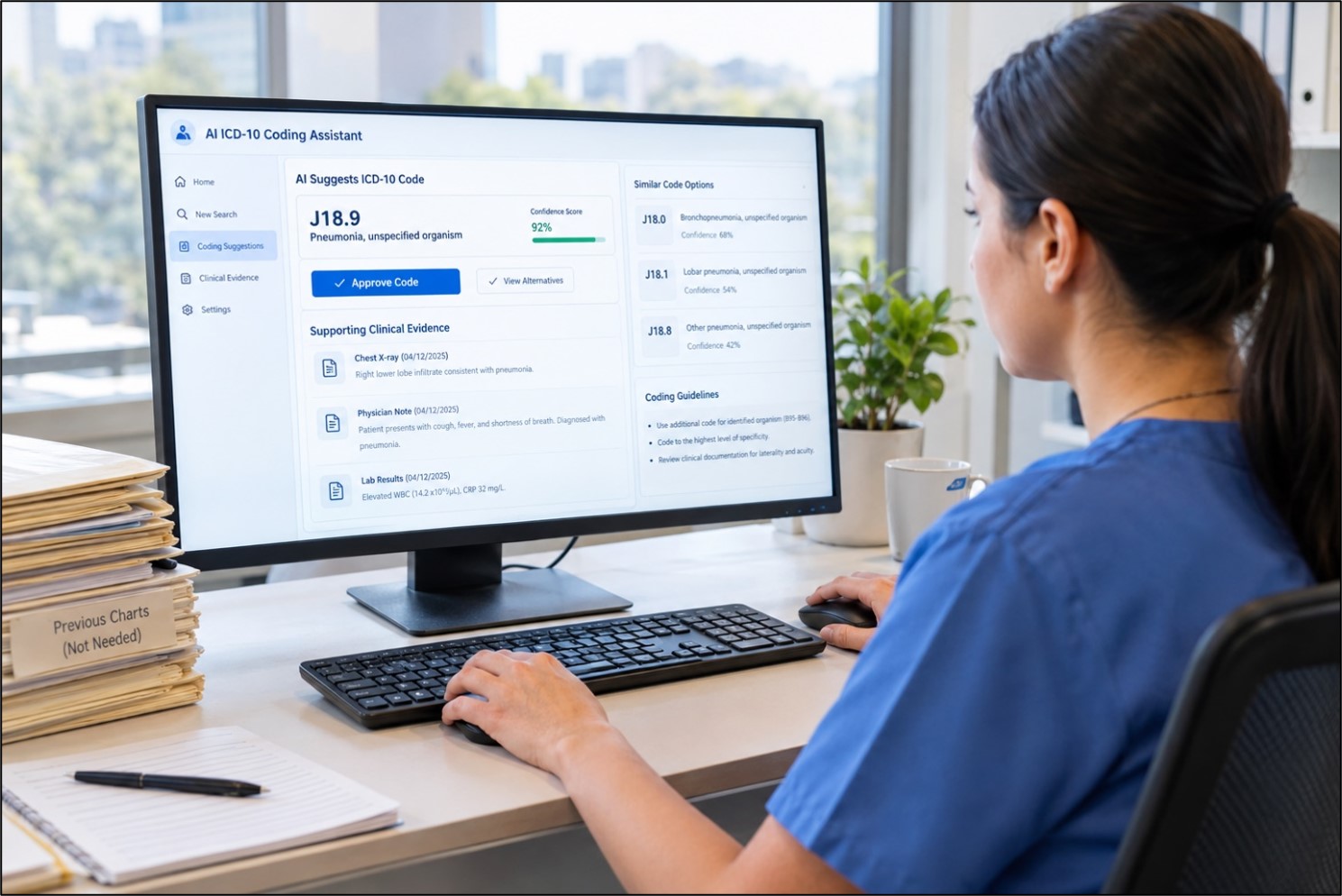
The biggest mental shift here is moving from creator to reviewer. Instead of spending hours typing text from a physical paper into a digital screen, the processing coordinator simply opens a pre-filled profile. The software emphasizes the extracted data, indicating precisely where it discovered the info within the hospital packet. The employee takes less than 10 minutes to look at the screen to verify that it is accurate and clicks once to approve the admission. This alters the whole atmosphere of the workplace. A single staff member can easily process ten times the volume of referrals without feeling overwhelmed or making careless typos.
Fixing the front door of your agency has a massive ripple effect on the rest of your operations. When the data entering your system is clean, structured and accurate from the very first minute, everything down the line runs smoother. Field clinicians receive accurate patient briefs before their first visit billing teams face fewer claim rejections due to typos and compliance audits become a breeze.
Furthermore, hospital systems love working with fast agencies. If a case manager knows your agency can process a complex referral and accept the patient within fifteen minutes, they will keep sending their patients your way. Speed builds trust and trust is the ultimate currency in healthcare.
The old way of managing patient transitions with highlighters, phone tags, and manual typing is simply unsustainable in today's fast-paced healthcare market. Agencies using outdated platforms are losing patients to faster, more agile competitors. Survival requires an architecture designed for speed and accuracy. AutoMynd delivers a fully native platform built specifically to automate the heavy lifting of home care workflows, slashing intake workloads down to a fraction of the time and giving your team the freedom to focus on exceptional care delivery.
The primary benefits include a major reduction in administrative processing time, faster response rates to hospitals, fewer data entry errors, and decreased burnout for office staff. This allows agencies to scale their census without needing to constantly hire more administrative help.
Yes, advanced medical parsing tools are specifically trained on messy clinical documentation. They look at the surrounding context of the medical text to accurately decipher difficult handwriting, blurry lines, and complicated hospital abbreviations that traditional scanners completely miss.
By pulling data directly from the official hospital discharge records without human manual transcription, the system eliminates simple typos and missing data points. It ensures that the initial care plans perfectly align with official physician orders right from the start.
Because the software shifts the staff member's role from a tedious typist to a simple reviewer, the learning curve is incredibly gentle. Most coordinators adapt within a few days because the system removes the frustrating parts of their daily workflow.
.svg)


.png)